Showcasing UK Innovation in Robotics and Inspection
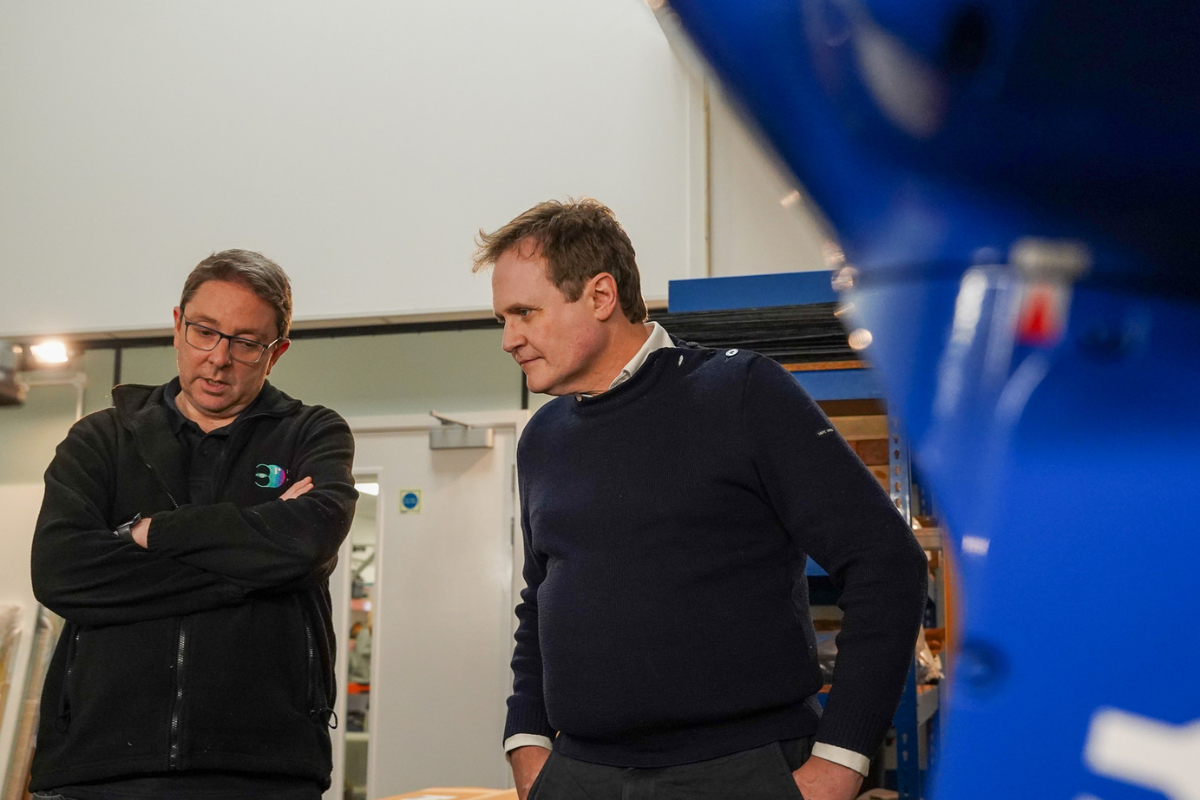
Last week, Tom Tugendhat MP visited our premises in Tonbridge, shared with our collaboration partner, IS-Instruments, to see how the company’s technologies are helping improve quality assurance across a range of industrial sectors. During the visit, the team demonstrated several systems developed through collaborative R&D projects. These technologies combine robotics, advanced measurement and digital data capture to improve installation accuracy and inspection reliability. The visit offered an opportunity to highlight how UK engineering SMEs are developing innovative solutions for complex industrial challenges.
A World-First in Digitally Assured Infrastructure Installation
The team demonstrated technology developed through the DATA-IS (Digitally Assured Tunnel Assets – Installation System) project. A follow-on from ATRIS (Automated Tunnel Robotic Installation System). The project achieved a world-first capability to digitally verify infrastructure installations as they occur. The system combines robotic installation with real-time measurement and digital twin technology. It confirms that tunnel service brackets are installed correctly at the point of construction. This removes the need for time-consuming manual inspection. Digitally assured installation could significantly reduce rework while improving safety and efficiency in large infrastructure projects.
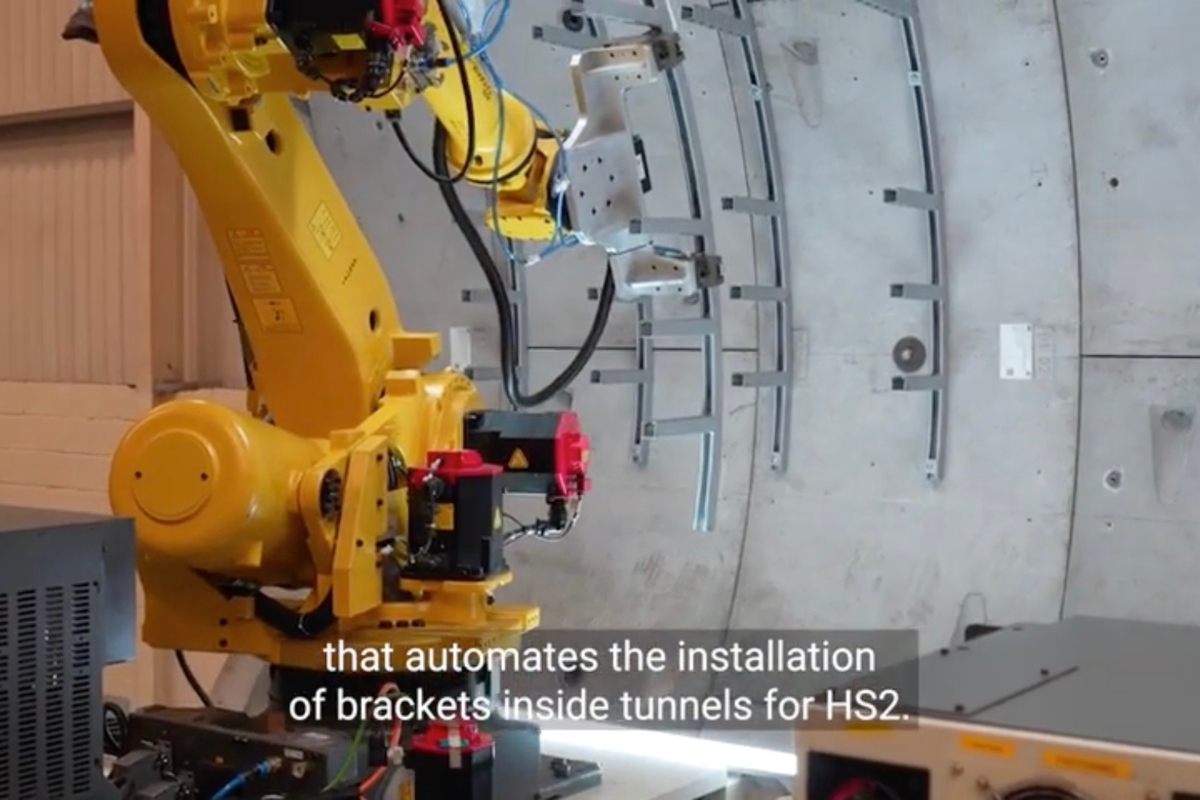
Video of ATRIS & DATA-IS
Improving Defect Detection in Glass Manufacturing
The visit also provided an opportunity to demonstrate how inspection technologies are improving quality assurance in high-temperature industrial processes. One example is the IRIFIO project, which focuses on detecting and quantifying nickel sulphide inclusions in float glass. These microscopic defects can cause glass to fail unexpectedly. Traditionally, manufacturers rely on energy-intensive stress testing to identify potential failures. IRIFIO helps detect these inclusions earlier in the production process. This reduces the need for destructive testing and minimises unnecessary material waste.
From Steel to Glass, Ceramics and Advanced Manufacturing
The underlying inspection technology was originally developed for steel production. Over time, engineers have adapted it for use across multiple materials and industries. Today, the technology supports inspection in glass manufacturing, ceramics such as roof tiles and bricks, and metal castings used in high-performance automotive components. This flexibility allows manufacturers to improve quality control while reducing waste across a range of industrial processes.
Supporting More Sustainable Glass Bottle Production
The visit also highlighted work with ENCIRC, where the technology is now being applied to the production of dark glass bottles. More precise inspection allows manufacturers to reduce the amount of glass used in each bottle while maintaining strength and quality. Using less glass brings several benefits. Manufacturers use fewer raw materials, require less storage space and reduce transport weight. These improvements contribute to more efficient and sustainable manufacturing.
The Role of Robotics
 Central to many of these projects is the integration of advanced robotics. Visitors were able to view the Yaskawa robotic platform that will play a role in our autonomous weld inspection development work.
By combining stereo vision, AI-driven analysis and robotic precision, we are progressing towards systems capable of consistent, repeatable inspection in challenging industrial environments.
Looking to the future
Autonomous inspection and monitoring technologies aim to improve safety, reduce material waste and strengthen quality assurance across energy-intensive industries. Intelligent robotic systems can operate in hazardous, difficult-to-access or highly variable environments. This allows companies to gather better data while reducing risk to personnel. With support from Innovate UK, i3D robotics continues to demonstrate how UK SMEs can drive technological innovation while supporting the country’s wider industrial decarbonisation strategy.
During the visit, the team demonstrated how robotics, AI and machine vision are moving beyond research environments and into real industrial deployment. From glass manufacturing to autonomous weld inspection, these technologies deliver measurable operational and environmental benefits while strengthening UK technological leadership in advanced engineering. Wider adoption of these systems could help the UK’s foundation industries improve efficiency, reduce waste and move closer to their net-zero targets, while enhancing industrial competitiveness.
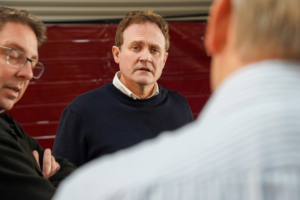
We thank Tom Tugendhat MP for taking the time to visit and engage with the team. i3D robotics continues to push the boundaries of intelligent inspection and robotics, helping UK industry build safer, smarter and more sustainable manufacturing systems for the future.